Monday, July 6, 2009

Travelogue Lite

My last blog left me on my Fulbright trip to South Korea in Gyeongju, the capital of Silla, one of the three ancient kingdoms that formed on the Korean peninsula, the Buddhist center of Korea, and once the center of fabulous wealth. We visited a serene mountain Buddha, a temple complex at Bulguksa, huge burial mounds, museums and institutes in a muggy heat. Another rain cooled our visit to two universities in Daegu, Keimyung University and Kyungpook National University, and then we were off to visit the world’s largest auto plant, the Hyundai factories at Ulsan.On to Busan and the beach (AKA 'Pusan'—there have been two major transcription methods from Korean’s Hangul alphabet to our Roman one and I understand yet another may be adopted)! Korea’s second largest city has grown from a sleepy fishing village to about 4 million people. Stretched along the beach and bays with skyscrapers poking through the mountains Busan reminds me of Hong Kong. Not that I’ve ever been to Hong Kong but after years of National Geographic and who knows how many films I seem to have a strong mental picture of it anyway. It was great to stroll along the waterfront near the APEC building, get sunset views of the magnificent bay bridge, and feel the cool sea breezes. I thought that Cal State LA students would love to visit, study, or teach in our sister city. And speaking of teaching, we met one of the Fulbright English Teaching Assistants and visited his school (Namsan High School) as well as Pukyong National University.
Busan is also famous for its fish market. While we didn’t buy anything at the market (it’s not easy to cook flounder on a field trip), we did have a great restaurant seafood lunch hosted by the kind people at Pukyong including spicy soft shell crab and varieties of fish I did not know. Keimyung University also had fed us very well the day before in their university restaurant, wonderfully fresh Korean fusion.
Last time I promised to speak of food (and shopping), so here are a few quick rules:
  • 1) if it’s red sauce, it’s spicy;
  • 2) don’t resist MOST unknown fish—they may look as strong as pickled herring but they might be (mostly) mild and delicious;
  • 3) but Do ask if the fish has been fermented and then be prepared to inhale ammonia;
  • 4) I’m used to crispy calamari; prepare for chewy squid;
  • 5) if at a traditional restaurant eat slowly and judiciously—they keep bringing more dishes and then more, finally ending with rice as the last savory dish before the dessert, usually fruit, arrives. I could go on and on about food but my last advice is this—Korean food is much more than just BBQ!
Heading back towards Seoul we crossed the persimmon capital of Korea (dried persimmon duly bought and consumed) and stayed two nights in Daejeon, visiting Daejeon University (in a spectacular wooded setting) and its downtown College of Oriental Medicine. Then very near Seoul, in Ansan, we visited the specialized Seoul Institute of the Arts, which is quickly becoming the Cal Arts of Korea collaborating in multimedia projects throughout the world and turning out many of Korea’s finest actors.
You’ll have to watch for the next iteration of “The Dancing Dean” to hear more about shopping, saunas, Cal State LA students’ arrival in Seoul, and Korean karaoke, including my own hit song and dance numbers. It will be worth the wait!

Friday, June 26, 2009

From Commencement to Korea

The last weeks of the spring quarter, always a whirl of events and emotions, became more hectic and unsettling as I readied myself to leave for South Korea on the US-Korea International Education Administrators Program. That I had to bring my luggage to Commencement and leave directly from the ceremony only heightened the inevitable tension of leaving work at a time of great budget upheaval, this year a good 7.0 on the Richter scale of California's frequent economic earthquakes. We had excellent Commencement speakers, and a deeply settled June gloom was a welcome change from the last two years' sun burnt ceremonies. All else went smoothly and before 2 pm I was in the air on my 12 hour flight from LAX to Incheon.
After a couple of rough days of jetlag I adjusted nicely to our taxing schedule of visits to universities, cultural institutions and performances, industry, and historical monuments. This Fulbright program's purpose is to advance our understanding of South Korean higher education and culture, so we have a number of visits to universities inside and outside Seoul. We first stayed at the Sangnam Institute on the campus of Yonsei University, part of a nexus of higher education institutions. I saw tens of thousands of young people roaming the streets on the last pleasant days before the monsoonal summer sets in and wondered once again how we can get more of our students to study abroad so they can experience the exhilaration of global exchange. The California State University International Programs Office has a system-wide agreement with Yonsei so I could see our campus name on their board of partnerships in the Yonsei international programs office.
On Wednesday we had a fascinating briefing at the US Consulate which, added to our Monday a.m. lectures gave many insights into how South Korea may have achieved its economic miracle and what North Koreans and their neighbors may be thinking about the latest missile launching crisis. Thursday's visit to the DMZ frankly gave me the creeps. There's an elaborate ritual to visits, showing passports through two checkpoints, filling out forms absolving the UN if you just happen to be shot dead or kidnapped (one is given the release form as a souvenir), issuing of UN visitor badges, and the eerie sight of facing a large capped North Korean soldier from about 50 yards away. I'll soon be posting my photo standing in North Korea, in front of the South Korean guard who prevents defections or anyone opening the door for North Koreans to snatch one into oblivion.

But don't get the wrong impression. Visiting South Korea is not so different than visiting West Germany in the 60's through the 80's. It's a very safe country and much more beautiful and forested than I had imagined. And even the DMZ, which has become a de facto nature preserve, provides pleasant surprises. We saw one tree weighed down with about 50 nesting cranes!

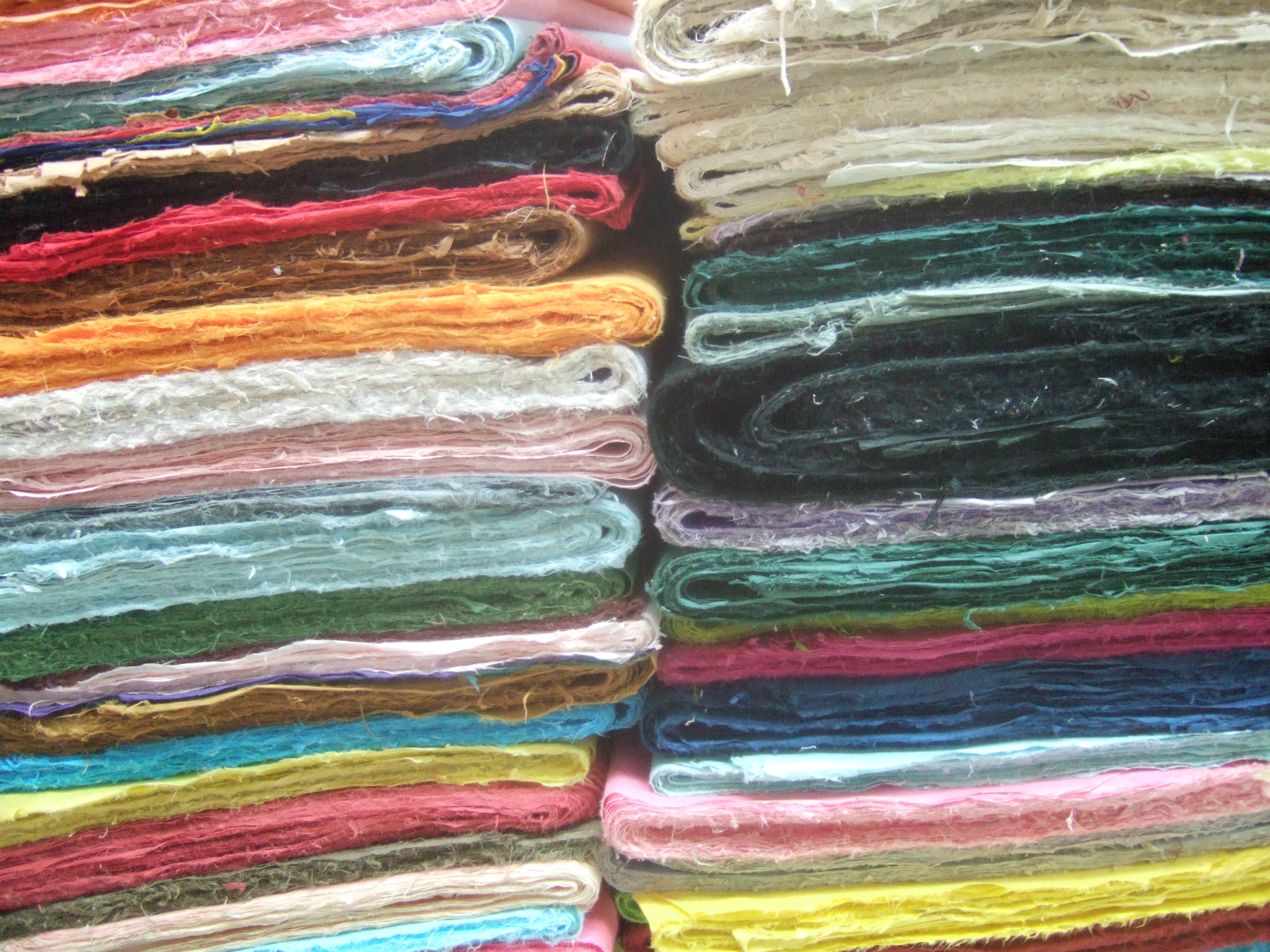
After an interesting visit to the Hankuk University of Foreign Studies featuring their translation and interpretation program and our very warm visit (literally and figuratively) with our hosts at Konkuk University on Friday we ended our sojourn in Seoul with an array of Korean folk songs, opera, drumming, and dance. We hit the road on Saturday morning visiting a firm where traditional handmade Korean paper (hanji) is fabricated. Then, just as the monsoon rains began to fall we visited Hahoe Village with both tiled roof (nobles) and thatched roof houses some original to the late 15th century, most built later in the same style.
On my next blog I'll discuss equally significant matters like food and shopping. In the meantime your dean is dancing to the beat of salmunori and the kitschy pop American hits sung nightly in the lobby of my hotel in Kyeongju.

Wednesday, June 10, 2009

Jurple Daze

Last Wednesday evening the light was transcendent, finely filtered through a lifting mist, a Millet or Monet brushed to life. A surprising thunderstorm had passed lending a new quality to the atmosphere, charged yet caressing. The storm wind had shaken the fully blooming jacaranda leaving a dazzling blue purple carpet on my front lawn. Jurple, the name I’ve given to jacaranda’s brilliant, messy shedding, covered whole streets as if a royal tropical wedding had just passed.

For those who have never seen a jacaranda in its glory, the sight can be oddly jarring, great swaths of light bright purple amazingly consistent in color, at rooftop level, welcome but unexpected. Now that they’ve been blooming for two to three weeks I’ve grown re-accustomed to the shock of pastel, but that first week rounding a corner I’d still flinch from their sudden beauty.


In academia spring is also the time of year for re-acquaintance with joys almost forgotten in the press of work, a time to revel in student accomplishment. The year can grind down one’s bones and molars, sweet optimism and gentlest trust. In other words, three quarters of preface, start up, midterms and finals punctuated by outbursts of ego, drama, caviling and sniping is thrust to the background to focus on what matters most, the education we’re trying to provide to largely worthy, talented, and sympathetic individuals, our students.

A week ago Saturday I attended one of two Master’s recitals of one of our Arts and Letters students, the multi-talented Madelyn Washington. Ms. Washington lectured on Afro-Latin music and sang several works to illustrate her points. I enjoyed speaking with her mother, whom I’ve met at several of Madelyn’s performances including our French “Bonnet Day” concert in the Luckman where she sang a world premiere (November 2007), the Larry Harlow concert (November 2008, Professor Paul De Castro conducting) and performances of the Women’s Trio coached by Professor David Connors.

That particular Saturday I attended four events including the launch of Statement magazine. This past two weeks has been packed with many happy celebrations of student work, the Cinematic Visions student film festival, “Short Order,” the Cindy Bernard collaboration with Art students at the Luckman Gallery, student Weslie Brown’s composition recital, the Jazz Ensemble concert, the first world dance concert (and the first dance recital for many participants), and the Munitz lectures in English.

But in this whirl of events my thoughts return to Madelyn, and all the students who have completed their degrees and will be moving on. That’s the bittersweet note in this late spring jurple daze; our students always leave.

Tuesday, June 2, 2009

Living with a Skunk

If a recent well-known author learned a lot from his kindergarten experience I suppose that I’m learning equally from watching quietly my own backyard. Now that the light stays later I’ve been trying to rush home to find some contemplative moments (oxymoronic irony noted).

At dusk I’m often sitting or standing at the edge of my garden in a semi-meditative state reviewing the day’s events when a neighborhood skunk waddles by. Skunks, when non-rabid, seem largely oblivious, going about some unknown evening task, sometimes ambling under my outstretched legs unheeding of the much larger mammal that could pounce in an instant and wreck its twilight idyll. When finally the skunk sees me, she? he? (I couldn’t say) hides cautiously under the deck stairs, finally pokes its nose out, and then on unnaturally short legs scurries away. Even more curious, I’ve several times seen Ms. or Mr. Skunk slinking under the hedges towards my neighbor’s two black cats who don’t arch or hiss or growl but stroll idly by as the intruder shuffles into their territory. Three species watching, learning in mutual co-existence with no struggle, no threats, and no stinking mess at the end. There’s got to be a university metaphor here but I refuse to search for it.

Instead, I’ll turn to the last ten days of exciting events. The wrap-up of Reel Rasquache was a sensation. If only there had been an East LA Society Page present…Edward James Olmos, Esai Morales, Lupe Ontiveros, Jesus Treviño y otros were present to pay tribute to Zoot Suit legend Luis Valdez. Earlier that day graduating vocal senior Josh Diener had given a rousing recital and in between I almost finished this year’s faculty reviews so my mood was grand. And luncheons, we had luncheons! Monday, the university scholarship donors and recipients, Tuesday high school and community college counselors. I say at Honor’s Convocation that “It takes a village to make the Dean’s List.” It also takes a village to get our students to the university and I’m very thankful that individual donors and hard-working staff support students at every step. This next week…on to the Scholar-Athletes’ banquet!

And speaking of villages…this week I also visited Urinetown. Several faculty, staff, former staff, students, and former students told me that they were THRILLED at the production, the quality of student performance, and the audience, the Audience, and the AUDIENCE. Hey kids, we put on a SHOW! After a long hiatus of musicals, Cal State LA is coming back strong. Look for next year’s schedule soon.


On Memorial Day, after thinking of all the flags I have planted as a Boy Scout at Punchbowl National Cemetery (Oahu), I met the Fulbright staff and future fellow Fulbrighters in a Koreatown restaurant before the opening of the NAFSA international Educators Association conference. That’s right, this June immediately following commencement I’m off on a plane to Seoul to participate in the US-Korea International Education Administrators Program fulfilling a lifetime dream to become a Fulbright Scholar and proudly joining Arts and Letters Professors. Mohammed Auwal (Qatar) and Susan Mason (Japan) who will be returning from their respective Fulbright experiences this summer. Over a Korean BBQ lunch at So Hyang restaurant we mapped out our upcoming visit and the all-important gift giving strategy. I have the right shoes for the trip (for rain, dancing, the DMZ) but mustn’t forget the umbrella.

This report ends with an uplifting event having nothing to do with skunks or Urinetown. Muhammad Yunus , economist, professor, businessman, and Nobel Peace Prize laureate served as NAFSA’s opening plenary speaker. Many of the Dancing Dean’s readers may not know that I was an Economics-Political Science undergrad before turning to literary studies and I idolize Dr. Yunus’s creativity in creating microlending programs that have raised millions out of poverty. Dr. Yunus was perhaps an indirect inspiration for the Quinceañera Project that I created several years ago to give scholarships to young Latinas to steer them towards university education before marriage. I was misty-eyed during Yunus’s uplifting talk, feeling that I was in the presence of a Mahatma, a great soul, one who has written that: “All human beings have the inner capacity not only to care for themselves but also to contribute to increasing the well-being of the world as a whole. Some get the chance to explore their potential to some degree, but many others never get any opportunity, during their lifetime, to unwrap the wonderful gift they were born with.” (Creating a World Without Poverty, 247).

Unless you’re a skunk, please unwrap your gift now!

Thursday, May 14, 2009

A Garden Party?


The Good News:
It’s been a busy few weeks, dear readers, and I’m just catching my breath (and icing my back) to write about one of the many arts and letters events that has me dancing, if stiffly, towards the academic year end deadline.

On Saturday May 2, I hosted a book party for Josefina López. To date, Ms. López is known for her screenplay, Real Women Have Curves, which became the 2002 film that introduced many of us to America Ferrera, the star of Ugly Betty. Now, Ms. López may become equally known for her saucy novel, Hungry Woman in Paris.

When publicist Steve Rohr learned that another potential book-party house had fallen through, he and friend, Chris Freeman (Love, West Hollywood), asked if I would open my house and garden in Pasadena for the gathering of literati. It was a great chance to meet Josefina and also have her meet some of the faculty from Cal State LA and USC, where Professor Freeman teaches. Better yet, I didn’t have to cook or rearrange the furniture; Steve was going to take care of that! The only task I assigned myself was to dress up my garden a little with some spring planting… more later on the follies of gardening.

One interesting fact I had not known about Josefina López—she attended Los Angeles County High School for the Arts, right on the Cal State LA campus.

The afternoon culminated in a moving reading by Ms. López, who described herself as an actress as well as author. Her reading of the different voices—of the mother and the father of the narrator, for example—demonstrated the power of voice and ear for conversation that also made Real Women Have Curves a delight. In short, a beautiful afternoon in Pasadena.

The Bad News: Three Important Rules
1) Never garden without warming-up
2) Bags of potting soil weigh more than you think
3) Add two days of recovery for each decade when you don’t follow Rules 1-2

Into my 10th day of recovery, my friends, I remain your wincing but still dancing dean!

Tuesday, April 21, 2009

Spring is in the Arts


Too long since my last blog and so many highlights since spring quarter began.

On the academic quarter system it seems that we obsess about enrollment for about half of each quarter. Arts and Letters is having a record spring and this is likely very good news for our bumper crop of new freshmen. Our first year students seem to be staying—and taking their courses in an appropriate sequence meaning that more should make it through the first year. Excellent work by staff, faculty, and administration!

While spring break came and went my arts agenda remained active. I experienced the ominously dark Achim Freyer version of Die Walküre at LA Opera with it’s ticky tack, tumble down bicycle horses and creaking turnwheel sets. Okay, I’m not a fan. The singers and orchestra were resplendent, though, providing magnificent uplift despite the “through a scrim darkly” set. Placido Domingo is 68! I didn’t agree with LA Times critic, Mark Swed (where was HE sitting?) when he wrote that Domingo could only sing at full voice or not at all. I was amazed at his flexibility, force, and gravity—despite being painted half black and bald, half blue and crazy wigged.

I said my own farewell last week to Esa-Pekka Salonen who once glanced at me at opera opening night as if I might be somebody he should know. Last Thursday I was glancing from the Terrace level where I often have a fascinating view of a soloist’s back. Ligeti’s “Clocks and Clouds,” Salonen’s own world premiere violin concerto, and Beethoven’s 5th provided the aural delight, Disney Hall the usual visual lift.

Last week’s highlights also included the annual Jean Burden poetry reading with Victor Hernández Cruz. The poet took a fascinating perspective on the role of Arab culture, history, and language in the Spanish colonial world, placing himself as a subject in constant conversation with English, Spanish, and Arabic legacies.

A brief holiday weekend in Palm Springs capped the week. Yes, I know it was White Party Weekend, but this dancing dean didn’t dance the night away to deafening techno. Quiet dinners with my brother and friends, quality pool time, and reducing my pile of New Yorkers by three, those were my goals set and achieved.

Wednesday, April 1, 2009

April is the Cruelest Month


Now that spring is here the azaleas are ablaze. This year in my neighborhood and on and near campus the pre-blossoming jacaranda are thick with goldenrod sprouts exuding a mesmerizing sweetness (to be followed in May by an azure musk).

Stepping out my front door is like walking into a florist’s shop during prom week. If only I could linger, even briefly, to join in the intoxication… In academia spring’s first burst sometimes relaxes guards. This week, our break between quarters, some profs were caught lunching and laughing with an administrator (not me) in the spring sunshine. Reports of revelry reached even into my office suite. But I am not allowed to tarry…

for this is my hell week, 20+ tubs of retention, tenure and promotion files to read carefully, thoughtfully, judiciously, with careers at stake. If only I could retrieve the hour and fifteen minutes I spent in the dentist’s office waiting today; I could have read another file! Of course file review also has its joys. For example, I love tracing the intersections of faculty members’ scholarly and creative paths and storing this away for later use, linking one faculty member to another who may not know of her or his interest. E.M. Forster: “Only connect!” I also like the parts of letters to faculty when I get to say, “I commend,” “I appreciate,” or “I applaud.” When I meet with post-tenure faculty who have been reviewed and thank them, sadly many say that they have never been thanked. I know we can do better than that…

Which leads me back to a silly Facebook quiz which determined, based on seven forced choice questions, that my “power animal” is "hummingbird."


Apparently I “dart lightly through the world spreading a message of positivity”! How fine! But as I’m darting, weaving, and spreading joy, where is that sweet elixir to keep me humming? I think I’ll write another haiku!